

Researchers, marketers, and e-commerce operators use these IPs to access geo-restricted content, scrape local listings, and verify region-specific ad delivery without physically being in the country.
Buy Zimbabwe Residential Proxies. Zimbabwe IPs from $0.27/GB
Access residential IPs across Zimbabwe, part of our 7.5M+ monthly active network across 150+ countries, starting at $0.79/GB with 99.9% uptime. Collect accurate local data from Zimbabwean sites without blocks or geographic restrictions.
1 TB free to start. No credit card. Running in 60 seconds.
84,210Zimbabwe IPs available now
1.2savg response
99.4%success rate 30d
Quick answer
Geonode provides 84,210 residential proxies with Zimbabwe IP addresses across 12 cities, from $0.79/GB ($0.27/GB at scale) Zimbabwe proxies let you access Zimbabwe-only content, local SERP results and region-specific pricing — rotating or sticky, no credit system.
Live Zimbabwe proxy availability
Real-time pool data by city, updated continuously
| City | IPs Available | Protocol | Latency | Status |
|---|---|---|---|---|
| Harare | 22,400 | HTTP / SOCKS5 | 0.8s | Live |
| Bulawayo | 11,300 | HTTP / SOCKS5 | 0.9s | Live |
| Mutare | 5,600 | HTTP / SOCKS5 | 1.1s | Live |
| Gweru | 3,800 | HTTP / SOCKS5 | 1.2s | Live |
| Kwekwe | 2,900 | HTTP / SOCKS5 | 1.3s | Live |
| Masvingo | 2,100 | HTTP / SOCKS5 | 1.4s | Live |
Quick answer: what is a Zimbabwean proxy and who needs one
A Zimbabwean proxy routes your traffic through a real residential IP address registered inside Zimbabwe, making websites treat your requests as local.
Free Zimbabwean proxy list: how our Zimbabwe IPs are sourced and updated
Our free proxy list pulls publicly available Zimbabwe IPs and validates them every 15 minutes, so you see only addresses that were live within the last quarter-hour.
Typical live rates hover around 60–70%, which is useful for light testing but unreliable for production workloads. For demanding tasks, our Zimbabwean residential proxies offer a verified, rotating pool of over 30,000 IPs drawn directly from Econet, NetOne, and Telecel subscribers.
- Run each proxy through an anonymity checker to confirm it hides your real IP address.
- Test response latency with a local Zimbabwean site like Classifieds.co.zw before committing.
- Verify the exit IP's geolocation against a trusted database such as MaxMind or ipinfo.io.
- Re-validate the list every session because free IPs churn faster than paid residential addresses.
Zimbabwe proxy types: residential, ISP, datacenter and mobile
Residential IPs belong to real home internet subscribers, so they carry the highest trust score on most websites.
Residential
They are the best choice for scraping and ad verification but cost slightly more per gigabyte.
ISP
ISP proxies combine datacenter speed with an IP range owned by a legitimate internet service provider. They suit high-volume scraping tasks where you need consistent throughput and a lower ban rate than pure datacenter addresses.
Datacenter
Datacenter IPs deliver the fastest raw speeds at the lowest price point. However, many anti-bot systems flag them immediately, so they are better for internal benchmarking than for scraping heavily protected sites.
Mobile
Mobile IPs sit on the same carrier networks—Econet, NetOne, Telecel—that real Zimbabwean smartphone users rely on. Because carriers share IPs across thousands of users, these addresses attract almost zero suspicion and excel at social-media tasks.
- Choose residential or mobile proxies when the target site employs advanced bot-detection systems.
- Use ISP proxies for structured-data scraping where speed and continuity matter most.
- Reserve datacenter proxies for internal tools, load testing, or uncapped-bandwidth tasks.
- Select mobile IPs for social-media automation or app testing on Zimbabwean carrier networks.
- Match proxy type to the site's bot-detection level before purchasing bandwidth at scale.
How to get a Zimbabwean IP address in 4 steps
Getting started takes only a few minutes.
Follow these four steps to route traffic through a genuine local IP.
- Create a free Geonode account and navigate to the residential proxy dashboard to access the configuration panel.
- Select Zimbabwe as your target country and choose rotating or sticky sessions depending on your scraping requirements.
- Copy the proxy endpoint, port, username, and password generated for your session into your tool or script.
- Confirm your exit IP is correctly geolocated in Zimbabwe using ipinfo.io or a similar verification service.
Zimbabwean proxy pricing: buy Zimbabwe proxies from $0.27/GB
Entry-level access starts at just $0.27/GB, making it one of the most competitive rates for African residential traffic.
As your usage scales, per-gigabyte costs fall further, so high-volume teams pay significantly less than the base rate. All traffic is billed on actual bytes transferred, meaning you never pay for failed or retried requests. Review the full tier breakdown on the pricing page to find the plan that fits your monthly data needs.
- Unlimited concurrent connections across the entire pool of 30,000-plus residential IPs.
- Rotating and sticky session modes included at no additional configuration cost.
- Sub-country city-level targeting available for Harare, Bulawayo, and other major centres.
- Pay-as-you-go billing with no long-term contract required for entry-level plans.
Why target Zimbabwe specifically
The country's internet landscape is growing fast and remains underserved by global data tools, creating real opportunities for early movers.
Key figures that justify dedicated local coverage include the following.
- Zimbabwe has about 5 million internet users, roughly 32% of the population of about 16 million.
- Mobile drives over 90% of internet access, so mobile-carrier IPs reflect the dominant user experience.
- Econet, NetOne, and Telecel control the major network infrastructure, and our pool spans all three.
- E-commerce is early-stage, valued below US$200 million, signalling room for competitive intelligence work.
- Smartphone adoption sits at around 45% of mobile users, a segment growing quickly year on year.
- Local ISPs, OTT geo-restrictions, and region-specific pricing make testing from a real local IP essential.
Top use cases for Zimbabwean proxies
Classified-listing scraping
Harvest price and inventory data from Classifieds.co.zw with residential IPs that the platform recognises as genuine local traffic.
E-commerce price monitoring
Track competitor pricing on Jumia and Zimall in real time, catching flash sales and regional promotions the moment they go live.
Ad verification
Confirm that your creatives are rendering correctly for Zimbabwean audiences and that rival ads aren't displacing your placements.
Social-media research
Collect publicly available engagement data from Facebook Marketplace using mobile carrier IPs that blend with organic traffic.
SEO rank tracking
Monitor search-engine rankings as they appear to users inside the country, capturing localised SERPs unavailable from foreign servers.
Streaming and OTT access
Test content availability and buffering performance on regional streaming services using IPs that reflect genuine subscriber conditions.
- Scrape Classifieds.co.zw for real-time vehicle, property, and electronics listings at scale.
- Monitor Jumia and Zimall for pricing shifts, stock levels, and new product launches daily.
- Audit Facebook Marketplace ads to detect fake listings and competitive positioning in the local market.
- Verify Amazon US shipping eligibility and pricing as it appears to shoppers browsing from local IPs.
- Track SEO rankings for brand and competitor keywords across Google's localised Zimbabwean results.
Free vs paid Zimbabwe proxies: what actually works
Free proxies sourced from public lists can get you started, but they carry significant trade-offs in production environments.
Shared by thousands of users simultaneously, they suffer from slow speeds, frequent downtime, and a high rate of IP bans on any site that employs even basic bot detection. Paid residential proxies from Geonode draw on a curated, ethically sourced pool that refreshes continuously, giving you consistent throughput and far fewer rejected requests. For anything beyond basic testing, paid infrastructure is the more cost-effective choice when you factor in lost data and developer time. You can also explore how neighbouring markets compare—for example, our South Africa proxy and Zambia proxy pages cover regional alternatives.
- Free IPs are blocked by most anti-bot systems within minutes of appearing on public lists.
- Paid residential proxies maintain a live rate above 99%, whereas free lists rarely exceed 70%.
- Speed on free proxies averages 200–500 ms latency; paid connections typically stay under 100 ms.
- Paid plans include customer support, uptime SLAs, and IP rotation controls.
- Data harvested through free proxies is often incomplete due to mid-session disconnections and throttling.
Code quick start: Zimbabwe proxy in Python, Node.js and cURL
Replace USER , PASS , and the endpoint with your Geonode credentials.
The residential proxy endpoint automatically selects a Zimbabwean exit node.
# Python – requests
import requests
proxies = {"http": "http://USER:PASS@proxy.geonode.com:10000",
           "https": "http://USER:PASS@proxy.geonode.com:10000"}
r = requests.get("https://ipinfo.io", proxies=proxies)
print(r.json())
// Node.js – axios + https-proxy-agent
const axios = require("axios");
const { HttpsProxyAgent } = require("https-proxy-agent");
const agent = new HttpsProxyAgent("http://USER:PASS@proxy.geonode.com:10000");
axios.get("https://ipinfo.io", { httpsAgent: agent }).then(r => console.log(r.data));
# cURL
curl -x http://USER:PASS@proxy.geonode.com:10000 https://ipinfo.io
- Always verify the returned country field reads "ZW" before starting a production scrape.
- Set a timeout of at least 10 seconds to accommodate variable latency on mobile carrier routes.
- Rotate credentials per request rather than per session to maximise the diversity of exit IPs.
Start using Zimbabwe proxies today
Ready to collect local data at scale?
Choose a plan on the pricing page, activate your Zimbabwean residential IPs in minutes, and start accessing the local market with traffic that looks genuinely local.
Your privacy is our priority
Grow securely & confidently
Enterprise-grade security and compliance for your data operations
Ethically sourced IPs
Sourced via our in-house Repocket and Zenshield — fully compliant
Customer support
Real humans, fast response, whenever you need help
What Zimbabwe proxies are used for
Zimbabwe e-commerce data
Scrape Amazon.de, Otto, Zalando pricing — local IPs see local prices and EUR/DE-specific deals
Localized ad verification
Check how ads render to Zimbabwe users across Bayern, NRW, Berlin regions
Zimbabwe SERP tracking
Monitor Google.de rankings from real Zimbabwe IPs — track .de SERPs vs .com
Geo-restricted content
Access Zimbabwe-only services (ARD/ZDF Mediathek, RTL+) for testing and research
Zimbabwe real-estate intel
ImmoScout24, Immowelt listings — properties often gated by IP geography
Local news + price-discovery
Spiegel paywall research, Idealo / Geizhals price-tracking with Zimbabwe exit IPs
Code Quick Start
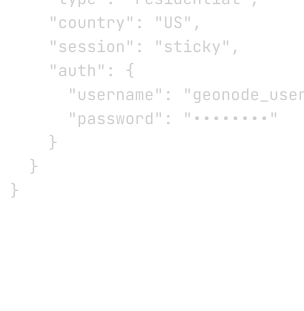
Route any request through Zimbabwe with these credentials.
curl -x 203.0.113.10:9000 -U "user:pass" "http://ip-api.com"Here's how we offer low prices on world-class quality
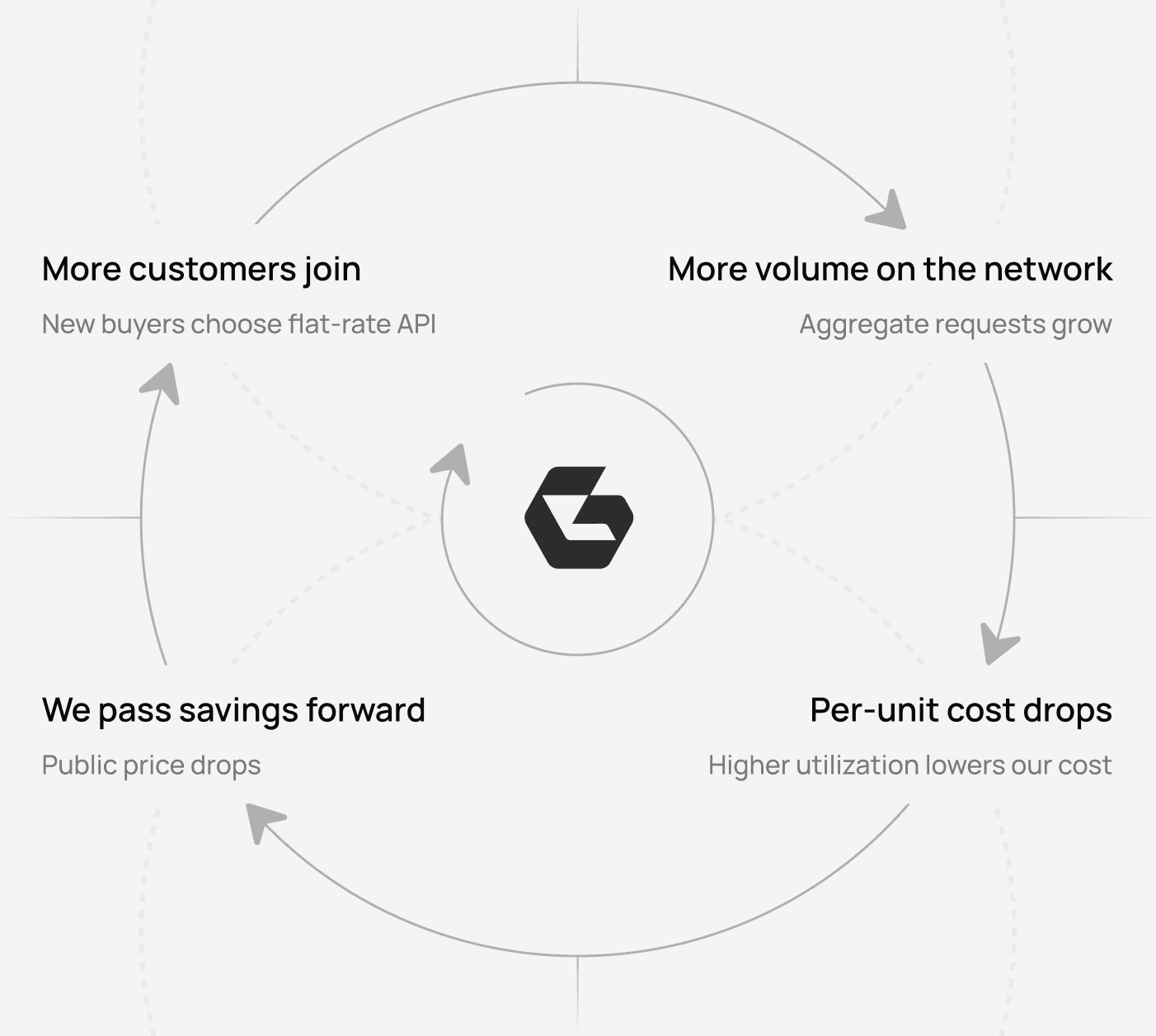
Most scraping APIs run on rented supply with credit-based pricing. That's why your bill is unpredictable. We chose the opposite path and the math compounds.
Legal use of proxies in Zimbabwe
Using residential proxies may be lawful for legitimate purposes, including market research, ad verification, SEO monitoring, fraud prevention and competitive intelligence on lawfully accessible public data.
Extraterritorial privacy laws like GDPR and CCPA require that any personal-data collection through proxies comply with applicable privacy and data-protection requirements. Scraping behind authentication walls, circumventing technical access controls, accessing non-public data, or copying protected content may be restricted under unauthorized-access, intellectual-property, database-rights and contract rules — stay on lawfully accessible public endpoints.
Geonode IPs are ethically sourced via opt-in consumer apps, including Repocket and Zenshield, with source-side consent and compliance controls.
Not legal advice — consult local counsel for your jurisdiction and specific use case.
Zimbabwe proxy FAQ
Open your Geonode proxy configuration and select Zimbabwe when it is available for your product. Copy the generated host, port, full username and password into your client. Keep credentials private and use the setup instructions for your selected product.
Check the locations currently offered in your product dashboard. Country, region and city options depend on the product and available inventory. A location page does not guarantee that every targeting option or a specific number of IP addresses is available.
Use rotation for independent requests and a sticky session when a multi-step workflow needs continuity. Check the supported session settings in your product dashboard. A sticky residential session is not a guarantee of a permanently assigned IP address.
Review the current residential proxy pricing for traffic allowances, billing options and the conditions of your selected plan. Check availability for your required location before purchase. The pricing page is the source for current rates and offers.
Review the evaluation options currently displayed on the product and pricing pages. Eligibility, price, duration and included traffic depend on the offer. Confirm those conditions before signing up or starting an evaluation.
Use the protocol and port generated for your selected product in the dashboard, and confirm that your client supports them. Follow the product documentation rather than copying an endpoint or port from an unrelated proxy example.
Make a permitted test request through the configured proxy and compare the reported exit IP and country with your selected settings. IP-geolocation databases can disagree or lag behind network changes. Check the result in your actual workflow; a location match does not guarantee access to a particular website.
Check your permission to access and use the target data, the target’s access conditions, and Geonode’s Acceptable Use Policy. Do not bypass authentication, paywalls or access restrictions. A proxy connection does not grant rights to content or guarantee anonymity.
Proxies in other locations
Same network, same pricing, different exit country. Every location below runs on Geonode's own IP pool with per-GB billing and no credit system.





Start using Zimbabwe proxies today
84,210 Zimbabwe IPs. From $0.27/GB. Running in 60 seconds.
