

What Is a Proxy Server?
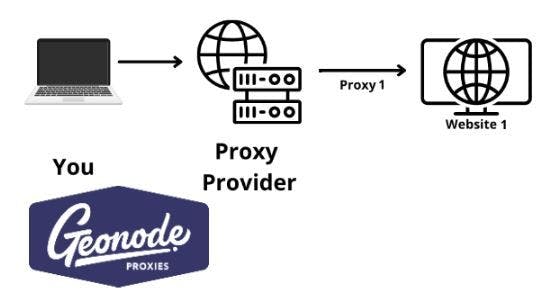
A proxy server routes your requests through another IP address. Here is how the main proxy types differ, which one fits your task, and what safe really means.
Tutorials, guides, and close looks from the team
that owns the infrastructure.
A proxy server routes your requests through another IP address. Here is how the main proxy types differ, which one fits your task, and what safe really means.
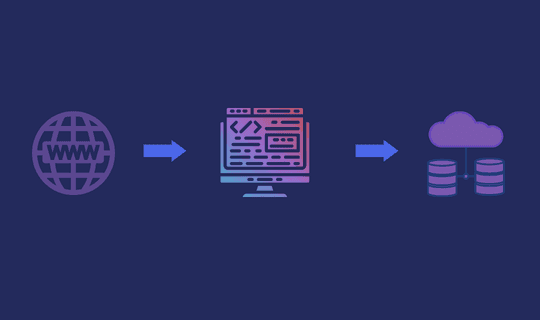
Web scraping isa crucial method for gathering data that can be used for a variety of purposes, such as market research, data analysis, and more. The good news is that you don't have to be a tech wizard to scrape data from any website into Excel. Our 3-step approach simplifies the entire process, making it accessible for beginners and efficient for experts.
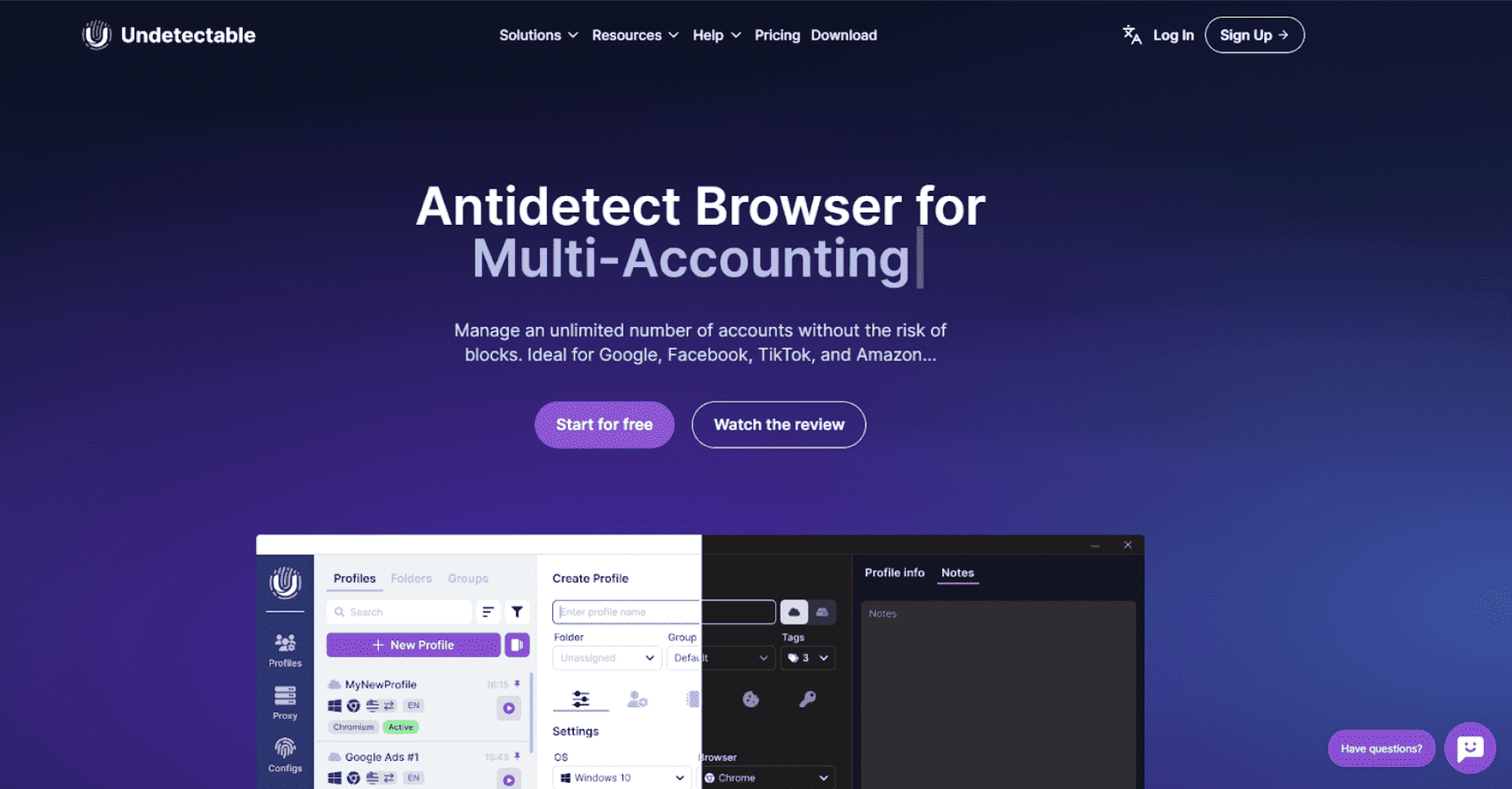
Undetectable is a state-of-the-art anti-detection browser designed to shield your online persona by modifying critical details about your device, such as IP address, browser fingerprint, language settings, fonts, and lots of other parameters.
This guide shows how to configure an HttpClient proxy in C# on .NET 8: a `WebProxy` with `NetworkCredential`, the choice between `HttpClientHandler` and `SocketsHttpHandler`, correct client reuse with `IHttpClientFactory`, timeouts and cancellation, environment-variable configuration, bypass lists, and the two exceptions you will actually meet in production. It ends with a complete console program that opens a sticky residential session, verifies the exit IP and retries with a new session on failure. Everything below targets .NET 8 with top-level statements, but the API has been stable since .NET Core 3.0 and the same code compiles on .NET 6 and 7.
This guide walks through every part of a working Guzzle proxy configuration: the `proxy` request option in its string and array forms, authenticated proxy URLs, HTTPS targets through a CONNECT tunnel, timeouts and certificate verification, and the exceptions Guzzle throws when the proxy says no. By the end you will have a reusable PHP client that routes through a residential proxy, keeps one exit IP across a session, verifies that IP, and retries with a fresh session when a request fails. All examples target Guzzle 7 and PHP 8.1 or later. Install with `composer require guzzlehttp/guzzle:^7`.
Scraped data rarely fails loudly. It rots: a redesign moves a price into a different element, the parser returns `None`, and ten thousand rows with empty prices load into the warehouse without a single exception. This guide builds the layers that catch schema drift before it becomes a bad report: a pydantic v2 record schema, per-batch quality checks, a drift detector with a rolling baseline, a quarantine step, a daily selector contract test on canary URLs, and parser versioning so you can backfill once you fix the problem.
Website change detection is how you find out that a vendor rewrote a terms-of-service clause, deprecated an endpoint in their docs, or quietly edited a privacy policy before anyone announces it. By the end of this guide you will have a Python script that snapshots a list of pages as Markdown through the Geonode Scraper API, strips the noise, stores every version in SQLite, produces a readable diff, and posts to Slack only when the content really changed. It runs from cron or GitHub Actions and survives flaky fetches. This is deliberately not a price monitor. Prices are numbers in a known slot; documents are prose where the location and shape of a change are unknown in advance. The design choices below follow from that.
Async scraping jobs finish on their own schedule, and the question is how your code finds out. This guide compares web scraping webhooks with status polling, then builds the pieces you need for either: a polling loop with backoff and a hard cap, a FastAPI receiver that verifies signatures and enqueues work, an idempotency table, replay from the delivery log and a fallback poller that catches anything a webhook missed. By the end you will have a results pipeline that does not lose jobs or process them twice.
Incremental web crawling is the practice of refetching only the pages that changed, not the whole site. By the end of this guide you will have a Python module that discovers URLs from a sitemap or the Geonode `/v1/map` endpoint, normalises them, keeps per-URL state in SQLite, uses ETag and content hashes to decide what changed, adapts revisit intervals, detects deletions, and pulls the changed set through `/v1/extract` or `/v1/batch`. Geonode fetches the pages; your script owns the state and the comparison.
aiohttp is the client you pick when a scraper needs hundreds of in-flight requests and you want full control over the event loop. Routing it through a proxy is a few keyword arguments, but the defaults around authentication, connection limits and timeouts are different from `requests` and from httpx, and that is where most aiohttp proxy setups go wrong. By the end of this guide you will have a `ClientSession` that authenticates against a rotating residential gateway, runs bounded parallel requests, times out predictably and reports proxy errors by type. Examples target aiohttp 3.14 on Python 3.11 or newer. Where behaviour changed in a recent release, the version is called out.
httpx is the HTTP client most new Python projects reach for when they outgrow `requests`, mainly because it ships one API for sync and async code. This guide shows how to wire an httpx proxy into both `Client` and `AsyncClient`, authenticate against a rotating residential endpoint, pin a sticky session, add SOCKS5, tune timeouts and retries, and diagnose the three errors you will actually see. By the end you will have a reusable client that routes through a proxy and can prove its exit IP. Examples target httpx 0.27 or newer. If you are on an older release, note that the `proxies=` keyword was renamed to `proxy=` and `mounts=` in httpx 0.26; everything below uses the current names.

Discover the top 5 passive income apps that can help you earn extra cash effortlessly. Learn how these innovative apps can diversify your income sources today!
**20 countries · Individual, Student, Duo, Family · collected October 8, 2026 · converted to USD at that week's rates**
**20 countries · 3–5 plans each · collected on October 7, 2026 · converted at that day's exchange rates**
Puppeteer is a node library that gives its users a high-level headless Chrome API. Here's how to create a proxy server for it!

Maricor Bunal
Published: October 27, 2023
Maricor Bunal
Published:
Maricor Bunal
Published: July 31, 2024

Geonode Team
Published: October 16, 2026
Geonode Team
Published: October 16, 2026
Geonode Team
Published: October 16, 2026
Geonode Team
Published: October 16, 2026
Geonode Team
Published: October 16, 2026
Geonode Team
Published: October 16, 2026
Geonode Team
Published: October 16, 2026
Geonode Team
Published: October 16, 2026

Carl Gamutan
Published: July 25, 2022
Geonode
Published: October 8, 2026
Geonode
Published: October 7, 2026
Carl Gamutan
Published: April 8, 2022